Ask how far the damage extends
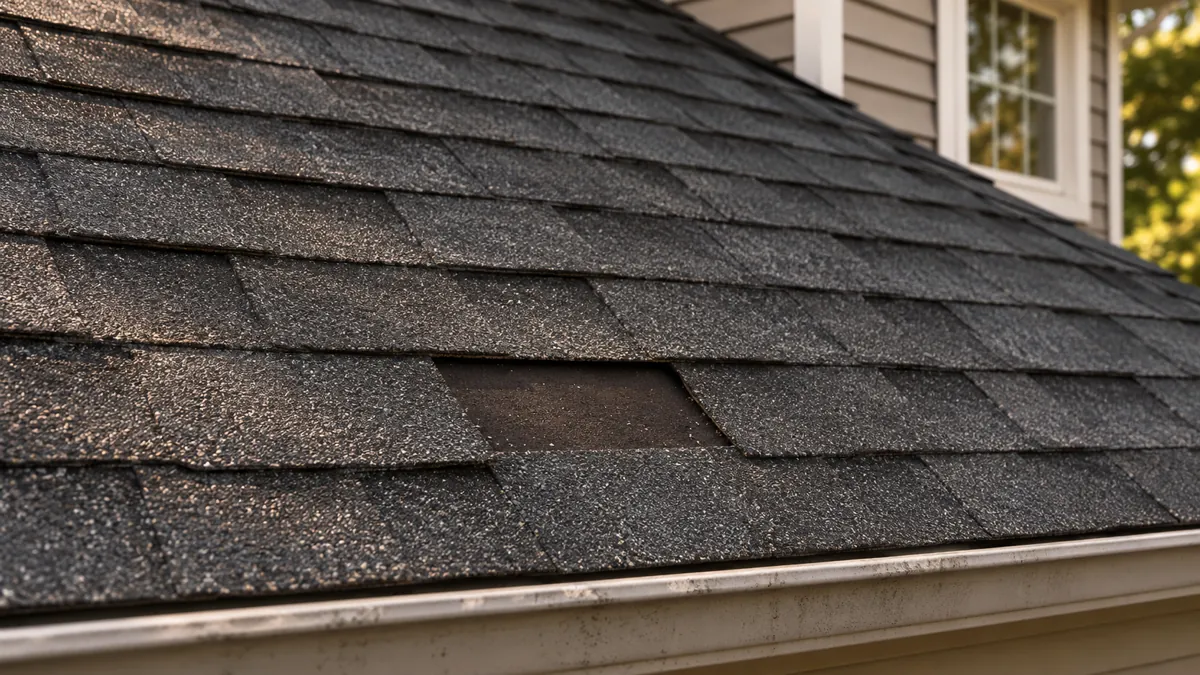
A missing tab is one observation. Ask the roofer to show whether nearby shingles are creased, lifted or torn, and whether the fasteners and underlayment around the patch are sound. The IBHS roof overview explains how wind damage can begin at an edge and expose the deck to rain. An edge with several loosened courses calls for a different discussion than one accessible field shingle.
Use the surrounding roof to decide
- A single patch with sound material around it
Ask whether the old shingles can be lifted enough to fasten and seal the patch without damaging the neighboring courses. Confirm that the replacement product fits the existing layout. Discuss how a color difference will look from the street.
- Damage along an edge or around an opening
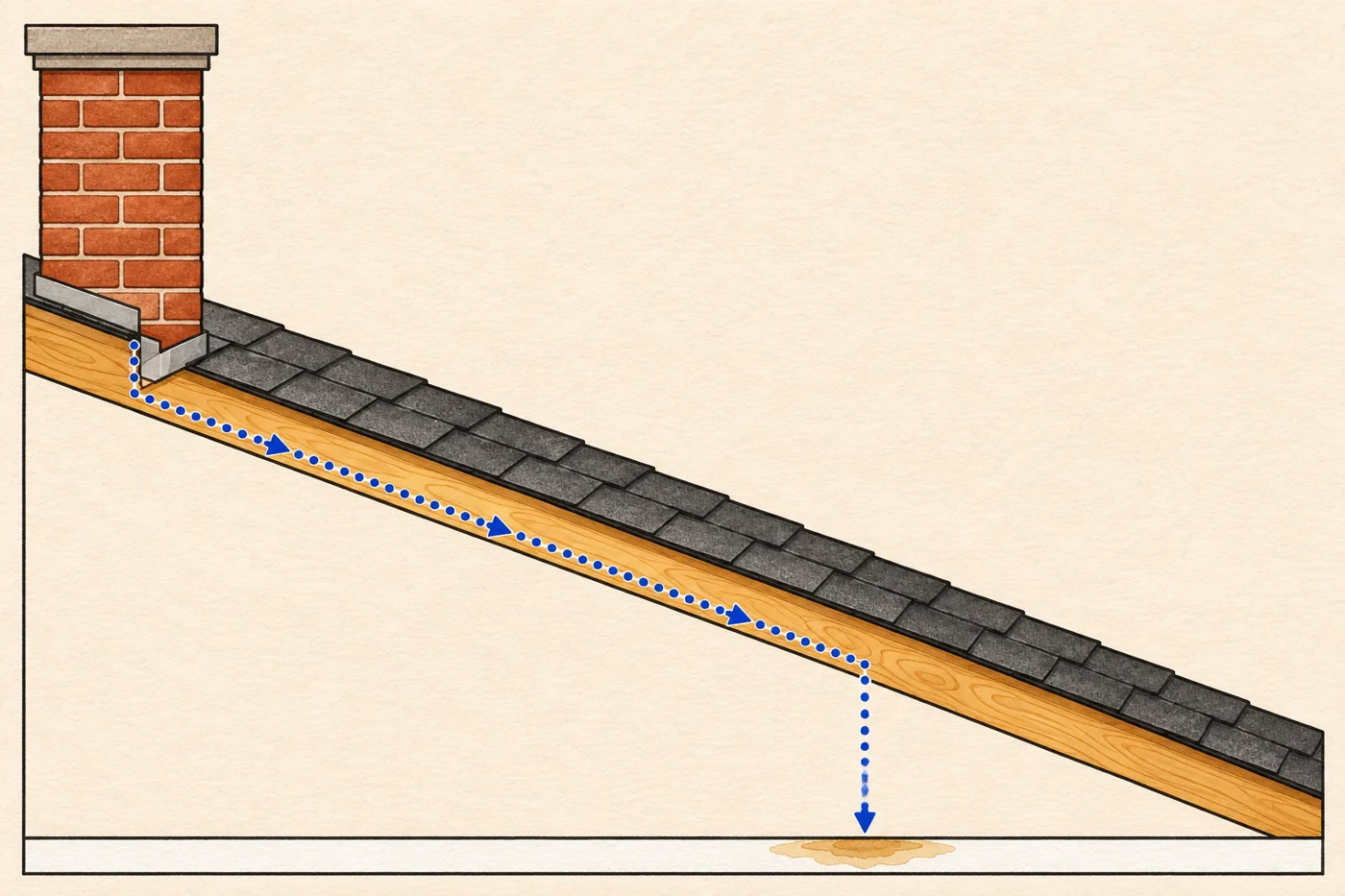
Ask the roofer to inspect the detail underneath. A tear near chimney flashing, a vent or a valley may call for work at the transition as well as new shingles. IKO's leak guide identifies those features as places to check when tracing water entry.
- Separate torn areas, fragile shingles or recurring leaks
Ask for photos of each affected slope and a description of what makes a repair feasible. If lifting the shingle next to the patch starts breaking it, the repair area can expand. Discuss the remaining roof life, the size of the proposed repair and the costs of repeating it elsewhere. GAF’s missing-shingles guide also recommends asking how age, warranty terms and the extent of damage affect this decision.
What to tell the roofer from ground level
Write down when you first noticed the damage, which side of the house it is on, and whether you see a damp spot indoors. A wide photo taken from the yard helps the roofer locate the slope. An indoor photo with the date helps show whether staining is changing. Stay off the roof and away from any sagging ceiling or wet electrical fixture.
A typical decision with one new fact
Imagine a rear slope with three missing shingles following one windy night. A ground-level photo shows one cluster and the ceiling below is dry. At the inspection, the surrounding shingles lift without cracking and the underlying area appears sound. A repair estimate can specify the affected courses and how the repair will be sealed. If the same roofer finds creases on the opposite slope and brittle shingles across the roof, ask for a replacement estimate as well. The difference is the condition of the surrounding roof, rather than a universal count of missing tabs.
Use the roof repair page to describe the location and what changed after the storm. Ask what the proposed repair covers and which areas still need watching.